


Blog list
Blog List
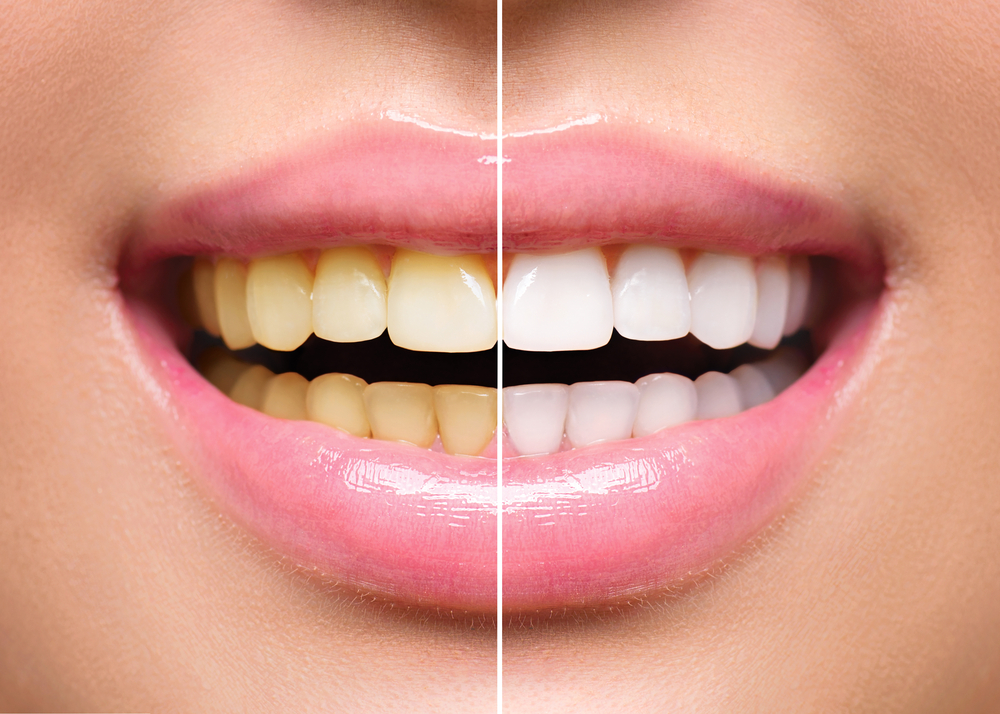
A brighter smile can make you feel more confident, but if you have sensitive teeth, the idea of whitening may feel intimidating. Many people worry that whitening will make their teeth hurt or cause lingering discomfort. The good news is that with the right approach, teeth whitening for sensitive teeth can often be done safely and comfortably. At Reaves Dental Practice, we help patients choose whitening options that fit their smile goals, tooth sensitivity, and overall oral health.
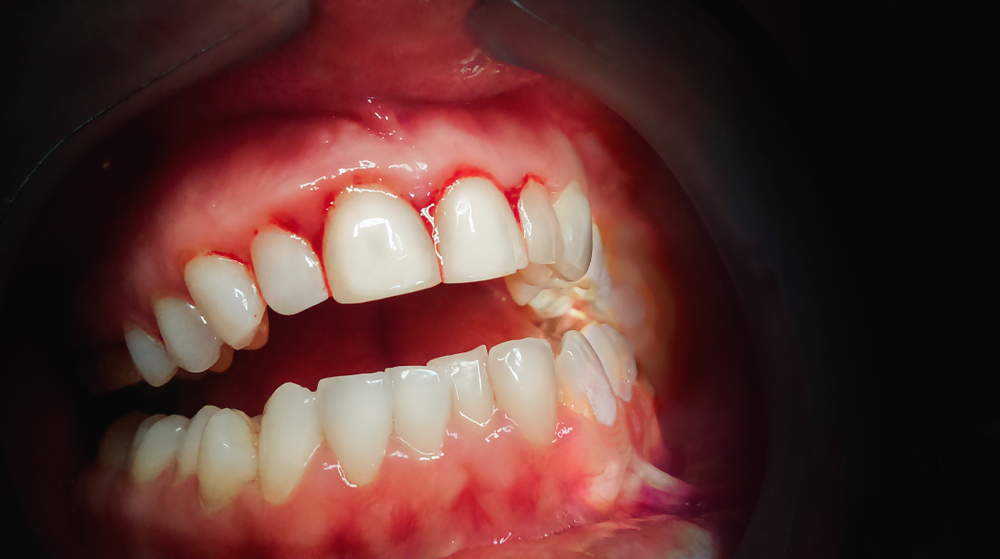
Type 2 diabetes affects more than the way your body processes glucose. It can also change how your mouth responds to bacteria, inflammation, and infection. When blood sugar remains elevated, glucose levels may also rise in saliva, giving plaque-causing bacteria more fuel. High blood sugar can also weaken the body’s ability to fight infection and slow healing.
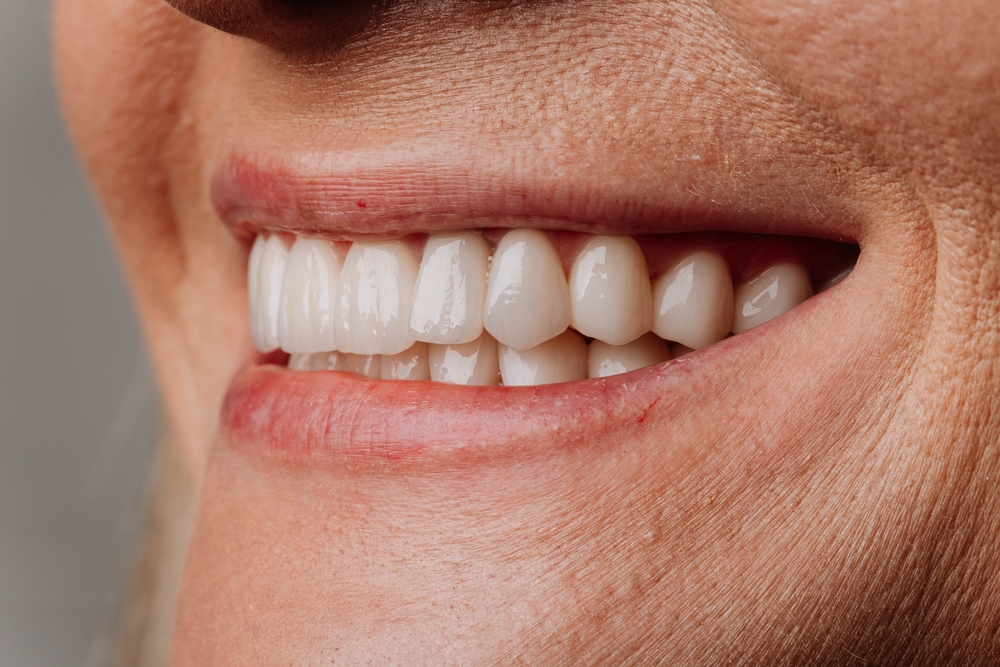
When several dental concerns affect your smile at once, it can impact more than appearance. Missing teeth, worn enamel, damaged restorations, bite problems, and ongoing discomfort can make it harder to eat, speak, and smile with confidence. Full mouth rehabilitation in New Hartford is designed to rebuild the health, function, and appearance of your smile through a personalized treatment plan.

Fluoride is a routine part of many dental visits, but not everyone feels sure about saying yes to it. If you have ever wondered whether fluoride treatment is necessary, it helps to understand what it does, who benefits most, and when it may be worth including in your preventive care.

A balanced bite helps your teeth, jaw joints, and facial muscles work together comfortably. When the upper and lower teeth do not come together properly, it can place extra stress on the jaw and surrounding muscles. Over time, this bite imbalance may contribute to jaw pain, headaches, tooth sensitivity, and other uncomfortable symptoms.
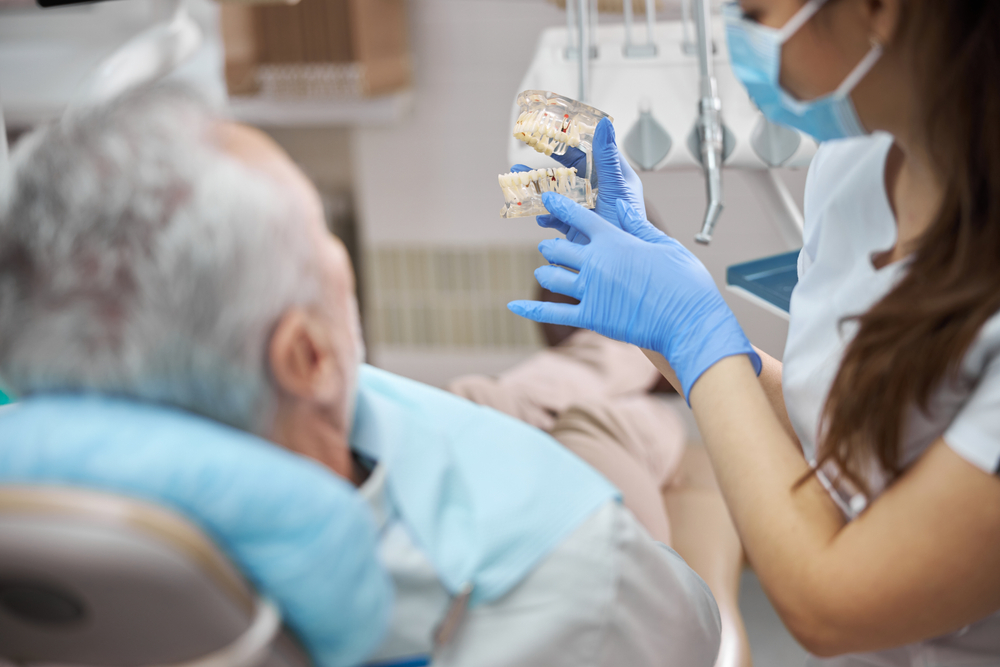
Dental implant recovery is one of the most common concerns patients have before treatment. While the process varies slightly from person to person, most patients can expect a manageable healing period with the right aftercare. Knowing what is normal after dental implant surgery can help you feel more confident and prepared.

Orthodontic treatment is about more than creating a beautiful, straight smile. It’s also about establishing healthy function - how the teeth, jaws, tongue, and facial muscles work together every day.
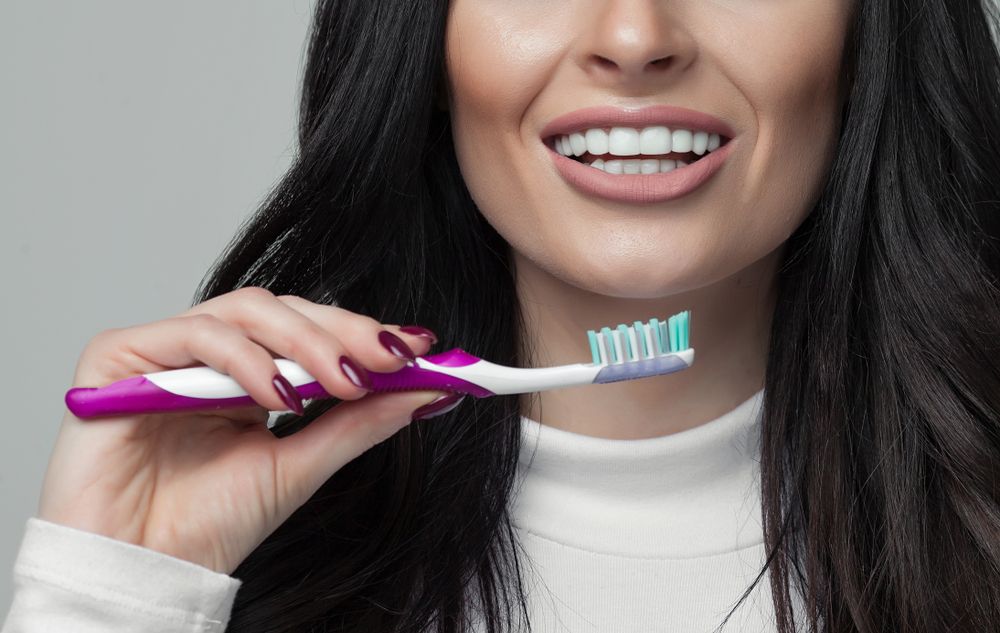
Fluoride plays an essential role in protecting your teeth from decay and keeping your smile healthy. Most people are familiar with fluoride toothpaste, but fewer understand how it compares to professional fluoride treatments offered at the dental office.
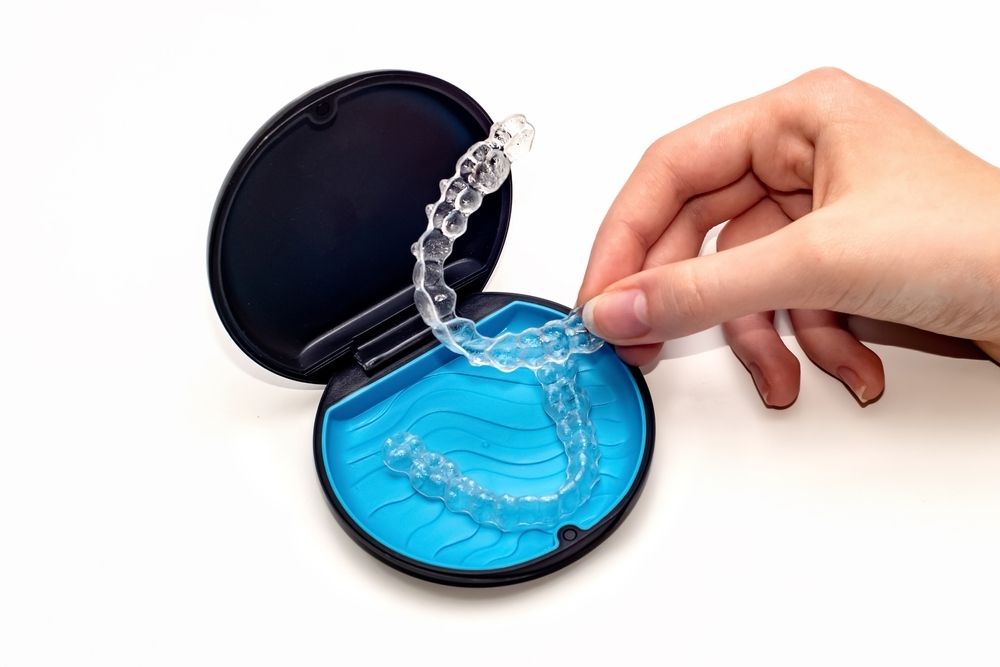
Orthodontic treatment isn’t just for teens. Many adults experience dental misalignment due to shifting teeth, bite changes, or orthodontic relapse from earlier treatment. Today, adults have more options than ever to straighten their teeth - most commonly clear aligners and traditional braces.
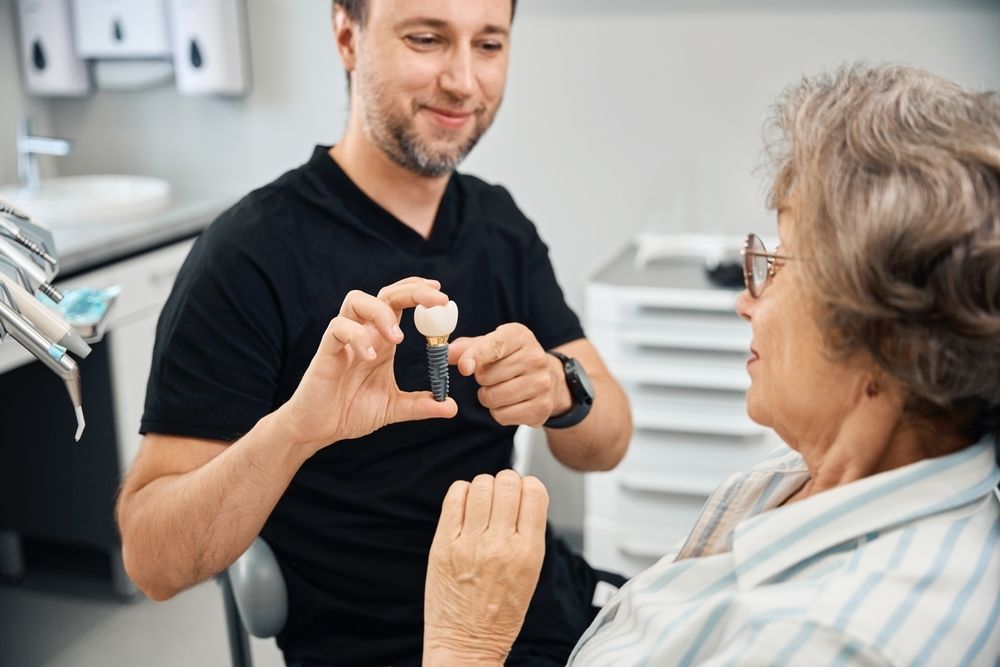
Dental implants are a durable and natural-looking solution for missing teeth, but they also require a bit of patience as your body heals and adapts.

Helpful Articles

Services
Learn More
Request an
Appointment
© 2026 Reaves Dental - All Rights Reserved - Accessibility Statement - Privacy Policy - Privacy Practices - Sitemap
Powered by 