


Common Questions About Dental Implant Recovery
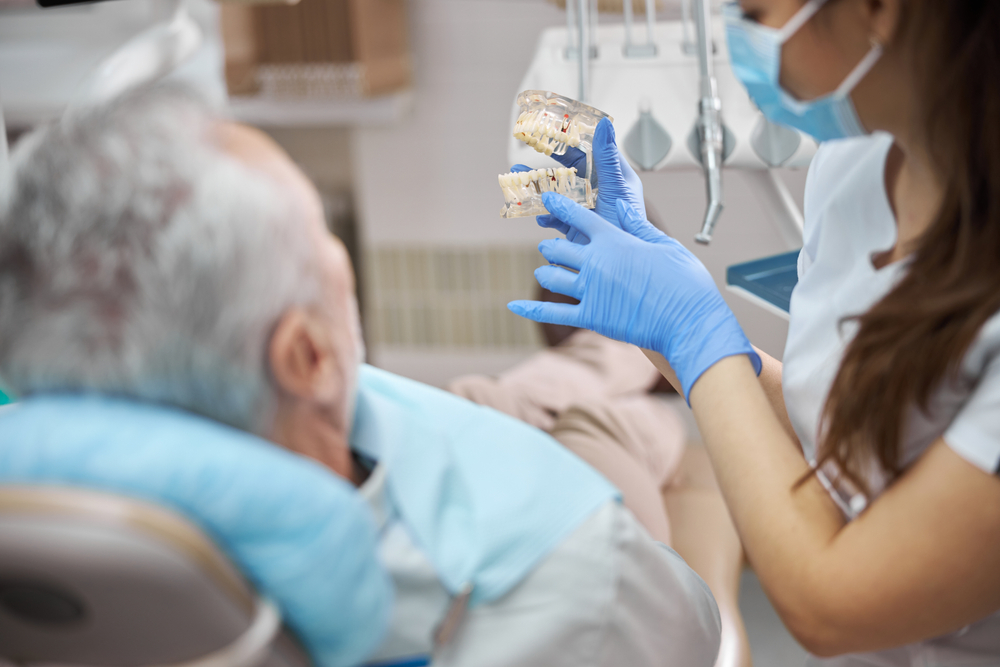
Dental implant recovery is one of the most common concerns patients have before treatment. While the process varies slightly from person to person, most patients can expect a manageable healing period with the right aftercare. Knowing what is normal after dental implant surgery can help you feel more confident and prepared.
How Long Does Dental Implant Recovery Take?
Initial recovery after dental implant placement usually takes a few days to a week. During that time, mild swelling, soreness, and tenderness are common. Many patients return to normal daily activities quickly, though complete healing below the gumline takes much longer.
The full dental implant healing process often takes several months because the implant needs to fuse with the jawbone. This stage is what gives dental implants their strength and stability.
What Symptoms Are Normal After Implant Surgery?
It is normal to have mild bleeding, swelling, and discomfort in the first 24 to 72 hours after the procedure. Some patients also notice bruising or sensitivity near the implant site. These effects usually improve steadily over the first several days.
If discomfort becomes more severe instead of better, or if swelling continues to worsen after a few days, that may be a reason to call your dentist.
What Can You Eat During Dental Implant Recovery?
Soft foods are usually recommended right after dental implant surgery. This helps protect the area and reduces irritation while the site begins healing. Patients often do well with yogurt, soup, smoothies, eggs, mashed potatoes, and other foods that do not require heavy chewing. It is also important to avoid very hot foods, crunchy foods, and chewing directly on the implant site until your dentist says it is safe.
What Should You Avoid After Dental Implants?
A smooth recovery often depends on following instructions carefully. A few key habits can make a big difference:
• Avoid smoking, as it can slow healing and increase the risk of implant failure
• Do not use straws right away, since suction may disturb healing tissue
• Skip hard, sticky, or crunchy foods during early recovery
• Avoid touching the implant area with your fingers or tongue
• Follow all medication and oral hygiene instructions from your dentist
When Should You Call Your Dentist?
Most dental implant recovery symptoms improve with time, but some signs should not be ignored. Contact your dentist if you have severe pain, heavy bleeding, fever, pus, or swelling that gets worse instead of better. An implant that feels loose should also be evaluated right away. Prompt follow-up can help prevent complications and protect your results.
How Can You Support Healing?
Good oral hygiene, rest, and regular follow-up visits all play a role in successful dental implant recovery. Gentle brushing, careful cleaning around the area, and keeping scheduled appointments allow your dentist to monitor healing and answer questions along the way.
If your considering dental restoration options, schedule a consultation at Reaves Dental to learn more about dental implant recovery and whether implants are right for you. Visit our office in New Hartford, New York, or call (315) 736-0139 to book an appointment today.

Helpful Articles

Services
Learn More
Request an
Appointment
© 2026 Reaves Dental - All Rights Reserved - Accessibility Statement - Privacy Policy - Privacy Practices - Sitemap
Powered by 